


In the digital age, small businesses must establish a strong online presence. The decision between web design and web development plays a critical role in determining how your website performs and how customers interact with it. Both web design and web development are vital components of building an effective website, but they serve distinct functions. In this guide, we’ll break down what these two processes involve, the key differences between them, and how each contributes to the success of your small business online.
The Role of Web Design for Small Businesses
Web design focuses on the visual aspects of your website. It is the process of creating the layout, structure, and overall aesthetics of the site. A well-designed website makes a lasting first impression and contributes significantly to user engagement.
1. User Experience & Interface (UX/UI)
The success of a website starts with its design. Web design defines the user interface (UI) and user experience (UX), ensuring that visitors can easily navigate and engage with your content. For small businesses, the design needs to be intuitive, responsive, and visually appealing to encourage users to stay longer and return.
- UI Design: This refers to the elements that users interact with on a website. Buttons, navigation menus, icons, and layout components are designed to guide users smoothly through their browsing experience.
- UX Design: This focuses on optimizing the experience for users, ensuring that the website is functional and easy to navigate. It also includes making sure the website performs well across all devices.
2. Aesthetic Appeal & Branding
Web design creates a visual identity that aligns with your brand. Small businesses must use design elements that reflect their unique identity, from logo placement to color schemes and typography. Properly designed websites instill trust and professionalism, influencing potential customers to explore your products or services.
3. Mobile Responsiveness
With more customers browsing the web from mobile devices, having a mobile-responsive design is essential. Web designers ensure that your website looks and functions well on smartphones, tablets, and other mobile devices.
4. Speed & Performance
Website performance is greatly influenced by design choices such as image sizes and overall layout. A well-designed website ensures quick load times, which is critical for retaining users. Slow-loading websites can deter visitors and harm your SEO rankings.
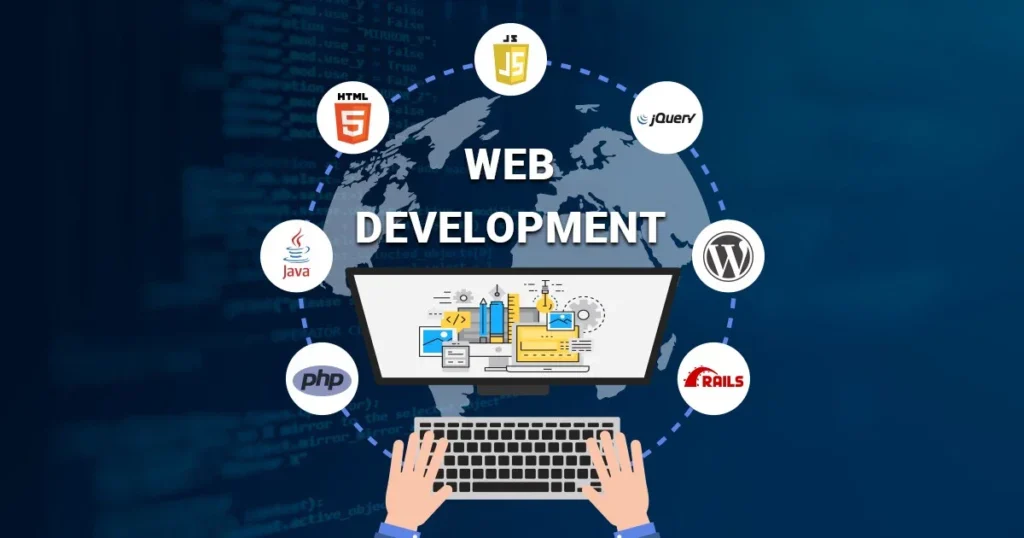
The Role of Web Development for Small Businesses
While web design focuses on the look and feel of a website, web development deals with the functionality and structure of the site. Development ensures that all the technical aspects of your website work smoothly, from the backend to the frontend.
1. Front-End Development
Front-end development refers to the part of the website that users interact with directly. It is the development of the user-facing components that make up the website’s layout, images, content, and interactions. A front-end developer uses programming languages like HTML, CSS, and JavaScript to turn a website’s design into a fully functional site.
- HTML & CSS: These are the foundational building blocks of web development, structuring the website’s content and styling it to appear as designed.
- JavaScript: JavaScript is used for adding interactivity to the website. It helps in creating dynamic elements like dropdowns, image sliders, and interactive maps.
2. Back-End Development
Back-end development involves the server-side of the website. This is where databases, content management systems (CMS), and other important tools run to ensure the site operates smoothly. Back-end developers use languages such as PHP, Python, Ruby, and SQL to create and manage the technology required to power the website.
- Server-Side Scripting: Ensures that users can interact with the website without knowing the technical complexities behind the scenes.
- Database Management: Manages the data that users submit via forms or the information that the site stores, such as product inventory, customer details, etc.
3. Content Management System (CMS) Integration
A CMS like WordPress, Shopify, or Drupal is often used in web development for easier content management. A web developer may integrate a CMS into a website so that business owners can easily update and manage their website content without needing to know code.
4. Website Maintenance & Security
Web developers are responsible for ongoing maintenance and security. This includes regular updates, bug fixes, and ensuring that the website is protected from vulnerabilities. Regular website maintenance ensures that your site remains up-to-date and continues to function optimally.
Key Differences Between Web Design and Web Development
While web design and web development work hand-in-hand to create a fully functional website, there are clear distinctions between the two. Understanding these differences is essential for small business owners when choosing which services they need.
1. Focus
- Web Design: Primarily focused on aesthetics and user experience. It involves layout design, color schemes, typography, and ensuring the website looks visually appealing and is easy to navigate.
- Web Development: Focused on functionality and the technical aspects of how the website works. It involves building the structure, integrating databases, and ensuring the site runs smoothly.
2. Tools and Skills
- Web Designers often use design tools such as Adobe Photoshop, Illustrator, Figma, and Sketch. They are skilled in visual communication, graphic design, and UX/UI principles.
- Web Developers use coding languages like HTML, CSS, JavaScript, PHP, and Python. They are proficient in programming, website architecture, and server management.
3. End Goal
- Web Design: The goal is to create a visually appealing, user-friendly interface that aligns with the business brand and delivers a positive experience for visitors.
- Web Development: The goal is to build a functional website that works correctly, has fast loading times, and is easy to maintain.
How Web Design & Web Development Work Together
For small businesses, both web design and web development are essential. Without proper web design, a website may look unprofessional and fail to engage users. Without web development, the website might not work properly, causing technical issues and frustrating users.
1. Collaborative Process
Web designers and developers often work together in the creation process. Designers create mockups and wireframes that developers use to build the website’s structure. This ensures that the final website is not only visually appealing but also functions efficiently.
2. Design First, Development Later
Typically, web design comes before development. Designers establish the layout and visual elements, which developers use as a guide to bring the site to life using code. However, some aspects, such as responsive design, need to be considered during the development phase to ensure the site looks great on all devices.
3. Continuous Testing
Both design and development require ongoing testing. Designers ensure that the design is compatible across browsers, and developers conduct tests to ensure that the website runs smoothly and securely. Regular testing guarantees that the website delivers a flawless user experience.
Choosing the Right Services for Your Small Business
When selecting web design and development services for your small business, it’s important to consider the following factors:
1. Budget
Determine your budget for web design and development services. While hiring separate designers and developers might be ideal for larger businesses, small businesses may want to opt for bundled services that offer both design and development under one roof to save on costs.
2. Business Goals
Understand your business objectives. If you need a simple website to showcase your services, basic web design may be enough. However, if you plan to sell products or offer online services, a more advanced development process will be required.
3. Skills & Expertise
Look for companies or freelancers with experience in both web design and development. Ensure that they understand the needs of small businesses and can create a website that meets your goals. Check their Portfolio to evaluate their previous work and ensure they align with your vision.
4. Customization & Scalability
Your website should grow with your business. Choose developers and designers who can offer customizable solutions that can be scaled as your business expands. Ensure that the website is built with the future in mind, so it can evolve as your needs change.
Common Mistakes to Avoid in Web Design and Development
While designing and developing a website for your small business, it’s easy to make mistakes. Here are some common pitfalls to avoid:
1. Overcomplicating Design
While flashy designs may look appealing, they can slow down load times and overwhelm users. Stick to a clean, simple design that aligns with your brand and provides a smooth user experience.
2. Ignoring Mobile Compatibility
With more people accessing websites on their phones, it’s crucial to design and develop websites that are mobile-friendly. Not doing so can cause a significant loss in potential customers.
3. Neglecting SEO Optimization
SEO is vital for ensuring your website appears in search results. Both web design and development should incorporate SEO best practices to help drive organic traffic to your site.
Conclusion
Choosing between web design and web development may seem confusing at first, but they are two essential parts of creating a successful website for your small business. While design focuses on aesthetics and user experience, development ensures functionality and smooth operation. For optimal results, small businesses should invest in both web design and development services to create a site that not only looks good but also works well. By understanding the differences and working with experienced professionals, you can build a website that enhances your online presence, attracts customers, and ultimately drives business growth.
Frequently Asked Question
1. What’s the difference between web design and web development?
Web design focuses on the visual aspects of a website, such as layout, colors, and typography, while web development involves coding and building the website’s functionality. Both are essential for creating a fully functional and aesthetically appealing website.
2. Which one should I prioritize for my small business website?
Both web design and web development are crucial. A visually appealing design will attract visitors, while proper development ensures that the website functions smoothly and loads quickly. For optimal results, invest in both services.
3. Can I use a website template instead of custom design and development?
Website templates can be a cost-effective solution for small businesses with limited budgets. However, custom design and development offer more flexibility and the ability to tailor the website to your business needs, making it more unique and adaptable for growth.
4. How long does it take to build a small business website?
The timeline depends on the website’s size and features. A basic small business website usually takes 2–4 weeks, while more advanced websites may take longer. Proper planning helps speed up the process.
5. Is a mobile-friendly website important for my business
Yes, a mobile-friendly website is very important. Most users visit websites on their phones, and Google also prefers mobile-optimized websites for better search rankings.
6. Will my website be SEO-friendly?
Yes, a well-designed and developed website should be SEO-friendly. This includes fast loading speed, clean code, proper structure, and optimized content to help your website rank better on search engines.
7. Do I need website maintenance after launch?
Yes, regular maintenance is important to keep your website secure, updated, and running smoothly. Maintenance helps fix bugs, update content, and improve performance over time.