

In today’s digital age, businesses must adopt new marketing strategies to stand out. The terms “SEO” (Search Engine Optimization) and “Traditional SEO” are often used interchangeably, but they are quite distinct, particularly when it comes to small businesses. Traditional SEO, which relies heavily on conventional methods, and modern SEO, which uses advanced tools, analytics, and a more strategic approach, both aim to improve online visibility, but in different ways.
This article explores the differences between SEO and traditional SEO for small businesses. We’ll examine the evolution of SEO practices and how businesses can maximize their potential in the digital landscape. We’ll also delve into how traditional SEO can still play a role, but why businesses must evolve to stay competitive.
What is Traditional SEO?
Traditional SEO is the earlier approach to search engine optimization that focused on on-page optimization techniques like keyword stuffing, creating backlinks, and optimizing basic elements such as title tags and meta descriptions. While these elements remain part of SEO today, the methods have evolved significantly.
Let’s explore how traditional SEO worked:
1. On-page Optimization Focus
The emphasis was on manipulating content to ensure keyword-rich text. Traditional SEO strategies used long-tail keywords and ensured they appeared numerous times on a page. This was believed to improve the website’s ranking on search engine results pages (SERPs).
2. Backlinking
Backlinking was one of the primary techniques used in traditional SEO. Websites would gain backlinks by submitting to directories, buying links, or writing guest posts. The more backlinks, the better the site ranks.
3. Technical SEO for Crawling and Indexing
Technical elements like robots.txt, site speed, and mobile optimization were also a major focus. However, these were often treated as afterthoughts, with the primary focus being on content and backlinks.
What is Modern SEO?
Modern SEO involves a more holistic and user-centric approach. While some traditional methods remain, today’s SEO practices go far beyond simple keyword stuffing and backlink generation. Modern SEO is all about enhancing user experience and ensuring that your content is discoverable, valuable, and relevant to searchers.
1. User Experience (UX) Matters
User experience has become a critical ranking factor in modern SEO. Websites that are easy to navigate, visually appealing, and fast-loading tend to rank higher. Google’s Page Experience Update is one of the clearest signals of this shift toward user experience as an essential factor.
2. Content Quality and Relevance
Rather than focusing on keyword density, modern SEO emphasizes high-quality, relevant content that answers user queries. Content should be informative, engaging, and designed to meet the needs of users.
3. Mobile Optimization
Today, mobile optimization is essential. With the increasing number of people browsing on mobile devices, Google has made mobile-first indexing the default. Websites that aren’t optimized for mobile devices will see a drop in rankings.
4. Search Intent and Semantic Search
Rather than just focusing on specific keywords, modern SEO aims to understand the intent behind search queries. Google uses advanced AI algorithms like BERT and RankBrain to process and rank search results based on meaning and context rather than just specific words.
Key Differences between SEO and Traditional SEO for Small Businesses
Understanding the fundamental differences between SEO and traditional SEO is crucial for small businesses. Let’s break down the key aspects:
1. Approach to Content
Traditional SEO often relies on repetitive keyword-focused content, which can result in unnatural and low-quality pages. Modern SEO emphasizes creating valuable and insightful content that naturally integrates keywords in a way that improves readability and relevance for the user.
2. Importance of User Signals
Traditional SEO did not account for the signals that users send, su ch as engagement time, bounce rates, and social shares. Modern SEO uses these factors to measure how well content meets the user’s needs. If users stay longer on your page and interact with the content, search engines are more likely to rank it higher.
3. Technical Aspects
While technical SEO was always part of the strategy in traditional SEO, modern SEO takes it a step further by focusing on how elements like mobile performance, site speed, and Core Web Vitals impact user experience and search rankings.
4. Algorithms and AI
Today’s search engines use complex algorithms and AI to rank websites, making SEO strategies more sophisticated. Google’s RankBrain and BERT algorithms, for instance, help understand the context of queries, making modern SEO much more dynamic.
The Role of Social Media and SEO in Small Business Growth
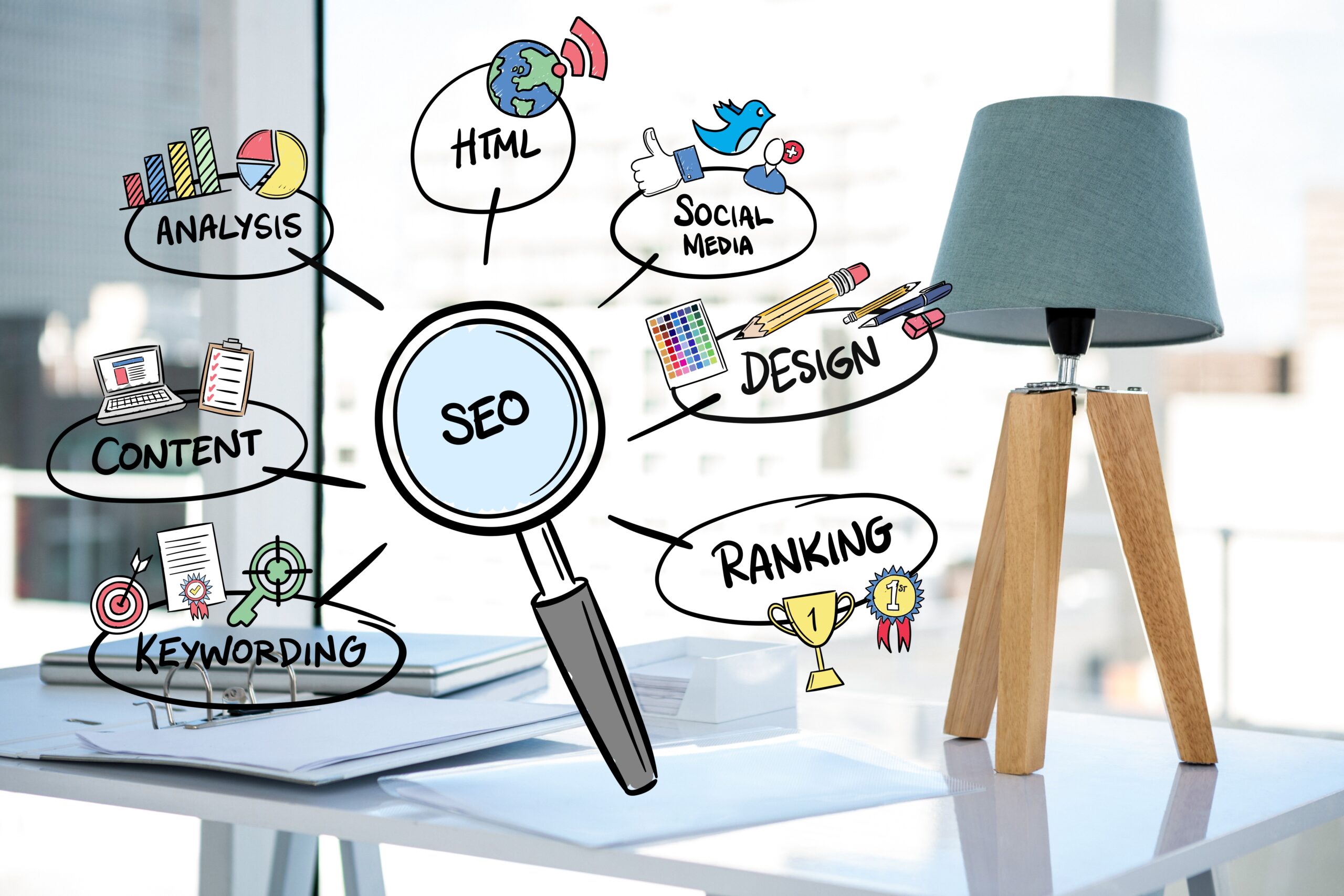
Traditional SEO rarely considered the influence of social media on search rankings. Modern SEO recognizes that social signals (like shares, likes, and comments) are essential factors that contribute to online visibility. By integrating social media into your SEO strategy, small businesses can significantly increase their brand exposure and direct traffic to their websites.
1. Social Media as a Ranking Signal
While social media does not directly influence rankings, sharing content across platforms can lead to more backlinks, increased traffic, and improved brand recognition, all of which contribute to better SEO.
2. Leveraging Content Marketing
Small businesses that use content marketing alongside SEO can engage with their audience more effectively. Blogging, videos, infographics, and podcasts are content types that modern SEO thrives on, and combining this with social media boosts visibility.
Best Practices for Small Businesses to Implement Modern SEO
Now that we know the differences between SEO and traditional SEO, let’s look at the best practices for implementing modern SEO in small businesses:
1. Conduct Thorough Keyword Research
- Find the right balance between long-tail and short-tail keywords.
- Tools like Google Keyword Planner, Ahrefs, and SEMrush can help small businesses identify the most effective keywords for their niche.
Best Use: Businesses looking to optimize specific niches and target highly relevant search queries.
2. Focus on On-Page SEO
- Ensure your website’s content is optimized for search engines by using appropriate titles, headers, and meta tags, along with Local SEO services to improve visibility in local search results.
- Also, consider using rich snippets and schema markup to improve visibility.
Best Use: Websites looking to improve their content discoverability and CTR (Click-Through Rate).
Explore Through:
3. Prioritize Content Quality
- Don’t just stuff content with keywords; focus on providing genuine value.
- Use compelling headlines, well-researched material, and engaging visuals to improve your content’s appeal.
Best Use: Content-heavy websites aiming for increased user engagement and search engine rankings.
4. Optimize for Mobile
- As mentioned, mobile-first indexing is crucial, so ensure your website is fully responsive and provides an excellent mobile experience.
Best Use: Websites with a significant mobile user base or those aiming to improve mobile search rankings.
5. Monitor Analytics Regularly
- Track your website’s performance with tools like Google Analytics and Google Search Console.
- These tools provide valuable insights into how your site is performing and where you can improve.
Best Use: Businesses that need continuous improvement and optimization based on real-time performance data.
Common Mistakes to Avoid in SEO for Small Businesses
While implementing SEO strategies, there are several common mistakes that small businesses should avoid:
1. Keyword Stuffing
- While keywords are important, overuse can result in penalties.
- Make sure to use keywords naturally and contextually within your content.
2. Ignoring User Intent
- Optimizing content for search engines without considering user intent can result in irrelevant traffic.
- Understand the needs and expectations of your target audience to create content that answers their queries.
3.Overlooking Technical SEO
- Ignoring technical aspects such as website speed, mobile-friendliness, and internal linking can harm your SEO efforts.
- These elements contribute significantly to user experience and search rankings.
Frequently Asked Question
1. What is the main difference between SEO and Traditional SEO?
Traditional SEO mainly focused on keyword stuffing and backlinks, whereas modern SEO emphasizes user experience, content quality, technical optimization, and search intent.
2. Which type of SEO is better for small businesses?
Modern SEO is more effective for small businesses because it helps build long-term visibility, attract local customers, and improve website trust and engagement.
3. Does Traditional SEO still work today?
Traditional SEO techniques may work to some extent, but relying only on them is risky. Search engines now prioritize user-focused and technically optimized websites.
4. Why is user experience important in modern SEO?
Search engines rank websites higher when they load fast, are mobile-friendly, and provide valuable content. A better user experience leads to higher rankings and conversions.
5. How does SEO help small and local businesses grow?
SEO helps small businesses appear in local search results and Google Maps, making it easier for nearby customers to find and contact them.
6. Can small businesses do SEO on a limited budget?
Yes, small businesses can use cost-effective SEO strategies such as local SEO, on-page optimization, and content marketing to achieve steady results without a large budget.
Conclusion
While traditional SEO techniques may have worked in the past, modern SEO offers a more comprehensive approach to achieving sustainable growth. By focusing on user experience, content quality, and technical optimization, small businesses can compete in the digital space and achieve long-term success.